Bogdanika
PCA Pump

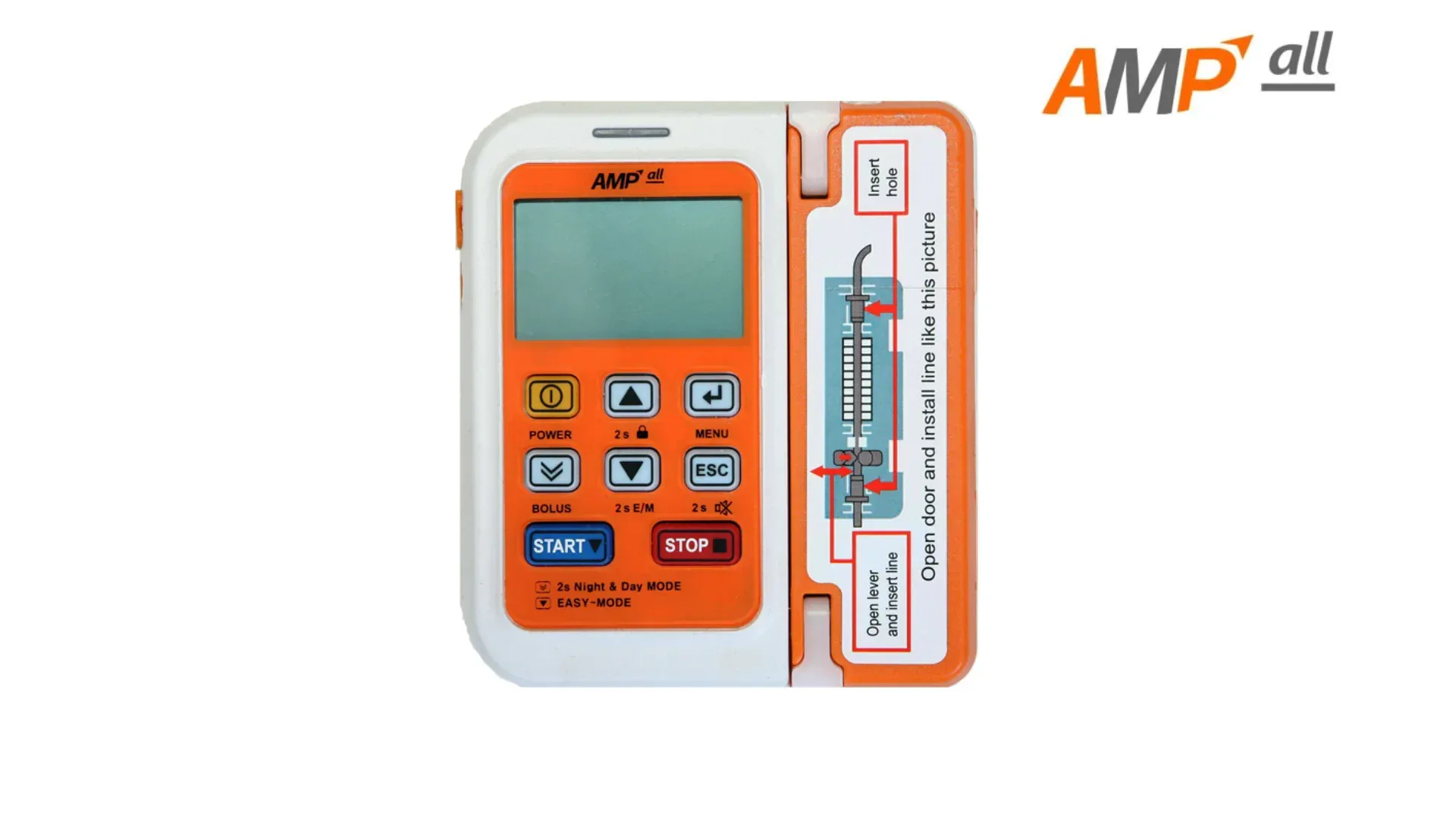
AMPALL PP-9900 PCA PAIN PUMP

  • Microprocessor Controlled Reliable and Precise Operation
  • Turkish Usage Menu
  • Ability to Save the Last 15 Operations
  • Ability to Save Drug Name and Infusion Information
  • Self-Test at Every Start-Up
  • 3 Levels of Air and Obstruction Level
  • KVO, Bolus and Purge Functions
  • Audible and Visual Alarms
  • Possibility of Use with Battery for Up to 150 Hours
Detailed Description

PCA (Patient-Controlled Analgesia) pain pumps are an important pain management tool widely used in the medical field. These pumps allow patients to manage their own pain. Patients control their medication intake over a specific range of doses and duration, helping them relieve their pain more effectively. PCA pain pumps are used to provide pain control in situations such as surgical operations, births and trauma. In principle, PCA pain pumps consist of an infusion pump and a control panel. A catheter placed on the patient allows medications to be administered into the body. The patient is given a button or a button-like control device to receive medication within a predetermined dose and time interval. Patients can start taking medication by pressing the button as soon as they feel pain. Thus, they can take medication more quickly and effectively in case of pain. Basal Rate: The amount of medication that the PCA pump continuously delivers. It is used to manage patients' pain on an ongoing basis. Bolus Dose: The amount of extra medication patients will receive when they press the button. It is used for sudden increases in pain or emergencies. Lockout Period: Lockout period during which patients cannot take medication again for a period of time after pressing the button. It is used to reduce the risk of overdose.