Bogdanika
NST Device (Fetal Monitor)

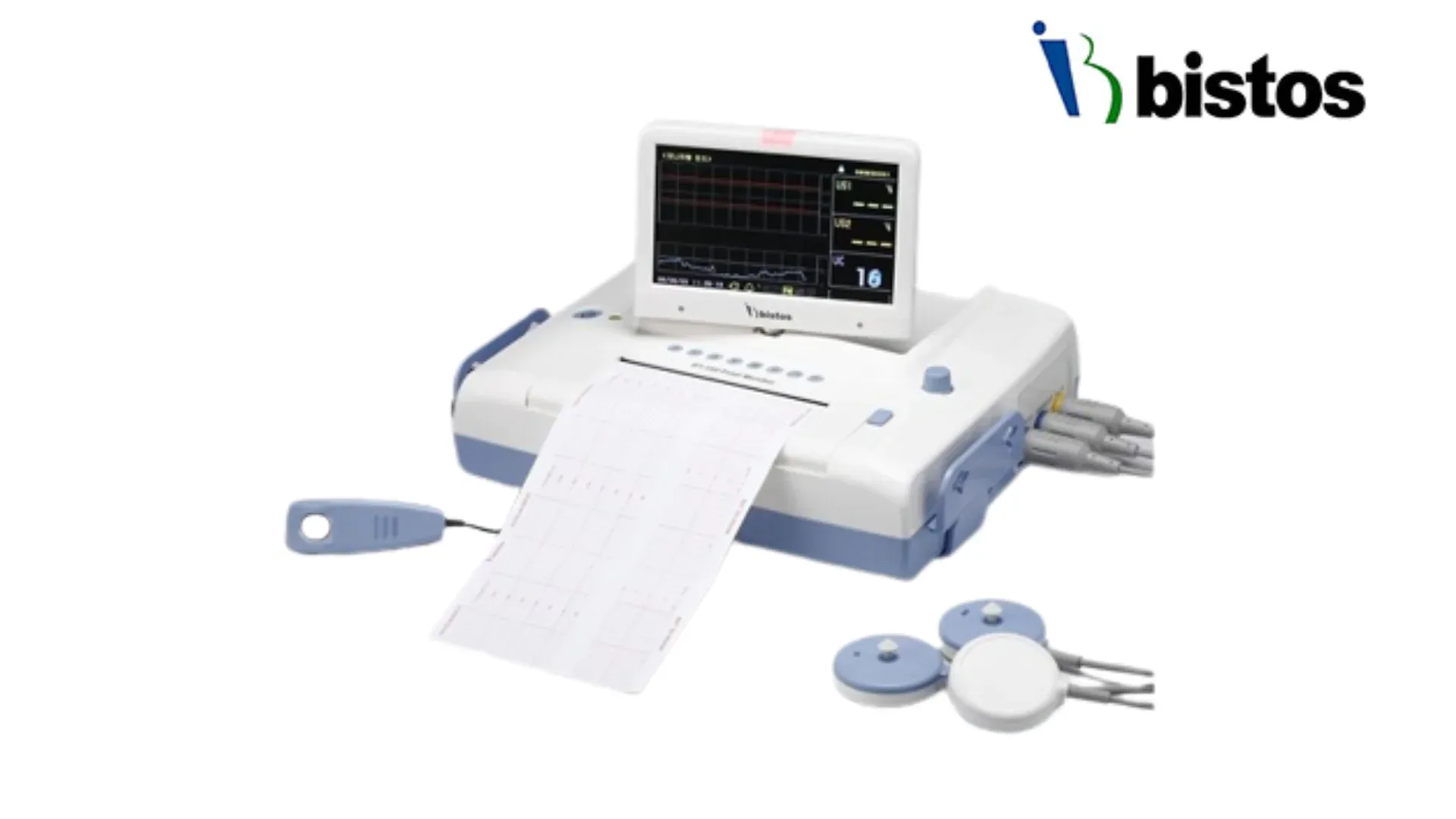
BISTOS BT-350 NST DEVICE

  • Color LCD Display
  • TOCO, FHR1, FHR2 FM, built-in thermal printer configurations
  • Audio and visual alarms
  • Twin pregnancy tracking
  • Waterproof TOCO and Ultrasound probes
Detailed Description

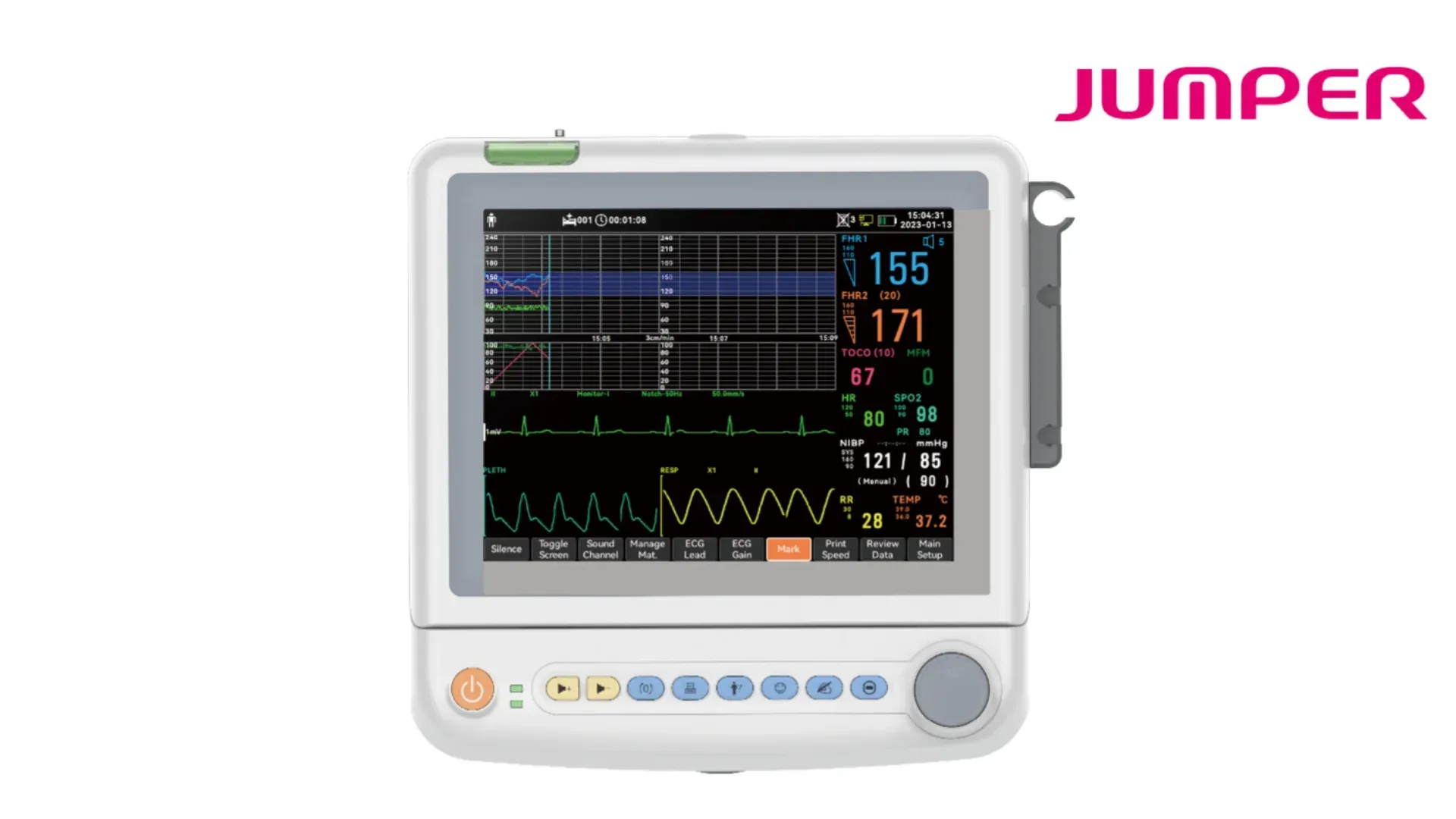
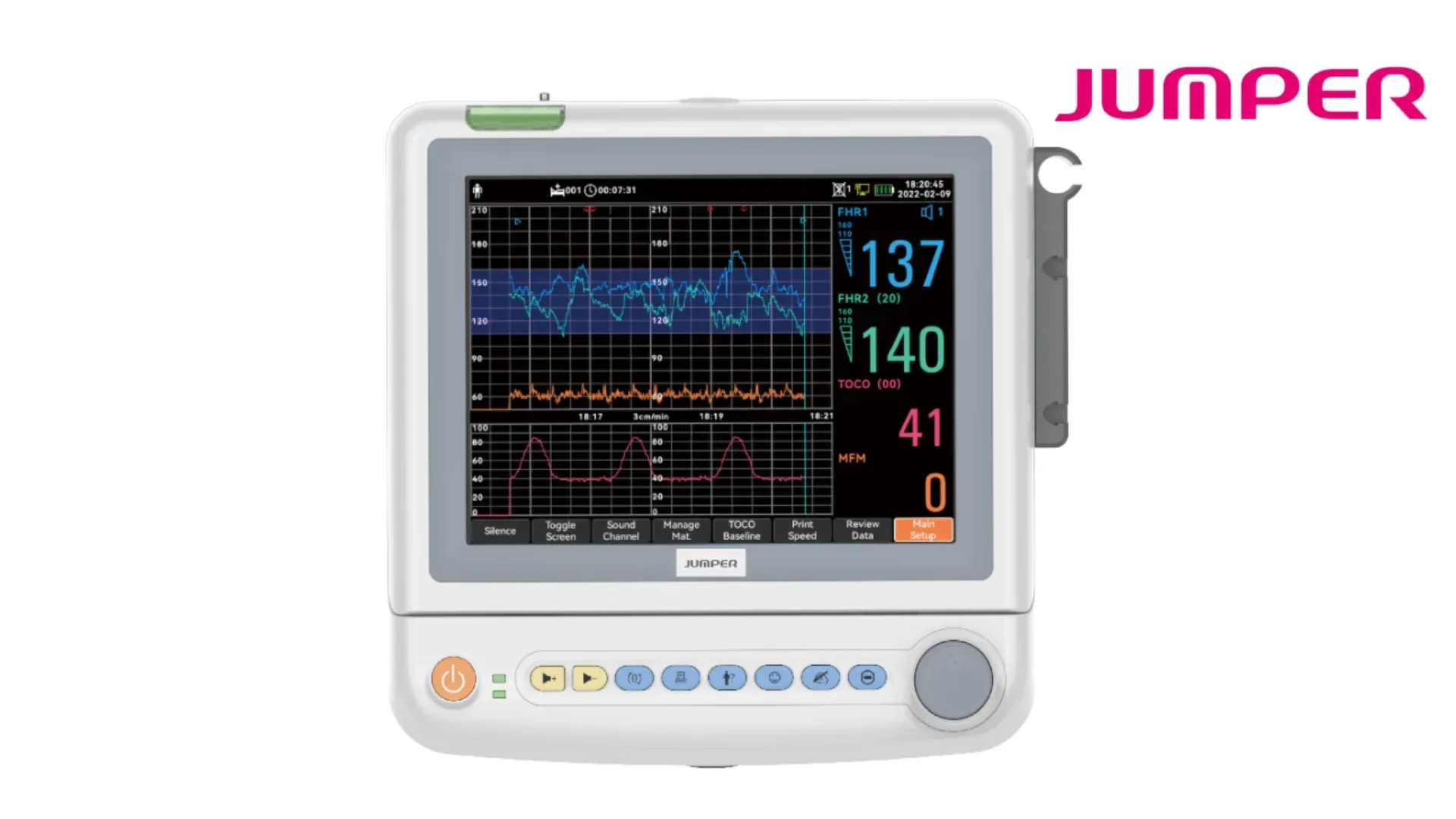
Fetal Monitors (Non-Stress Test - NST) are an important medical device used to monitor the baby's health during pregnancy. These monitors help determine whether the baby is doing well by evaluating the fetal heart rate and uterine contractions during pregnancy. Fetal Monitors are used for regular follow-up throughout the pregnancy, in high-risk pregnancies or in the presence of some complications. The working principle of Fetal Monitors is quite simple. They consist of two main components: a heart rate monitor and a collection device that measures uterine contractions. A heart rate monitor uses ultrasound waves to detect the fetal heartbeat. These waves are applied to the mother's womb through a probe and detect the baby's heartbeat. The collection device uses a pressure sensor to measure uterine contractions or a belt to detect a rapid contraction. In this way, both the baby's heart rate and uterine contractions are monitored and evaluated simultaneously. Basal Heart Rate: The baby's heart rate at rest. Normally it should be between 110-160 beats per minute. Rapid Contraction: It is a condition in which uterine contractions occur more frequently and intensely than normal. Rapid contractions can reduce the fetus's oxygen intake and may be a sign of a problem. Decelerations: These are the decreases seen in the heart rate graph recorded by fetal monitors. Decelerations may indicate that the fetus is under stress or has problems with oxygen intake.