Bogdanika
Capnography Line & Sensors

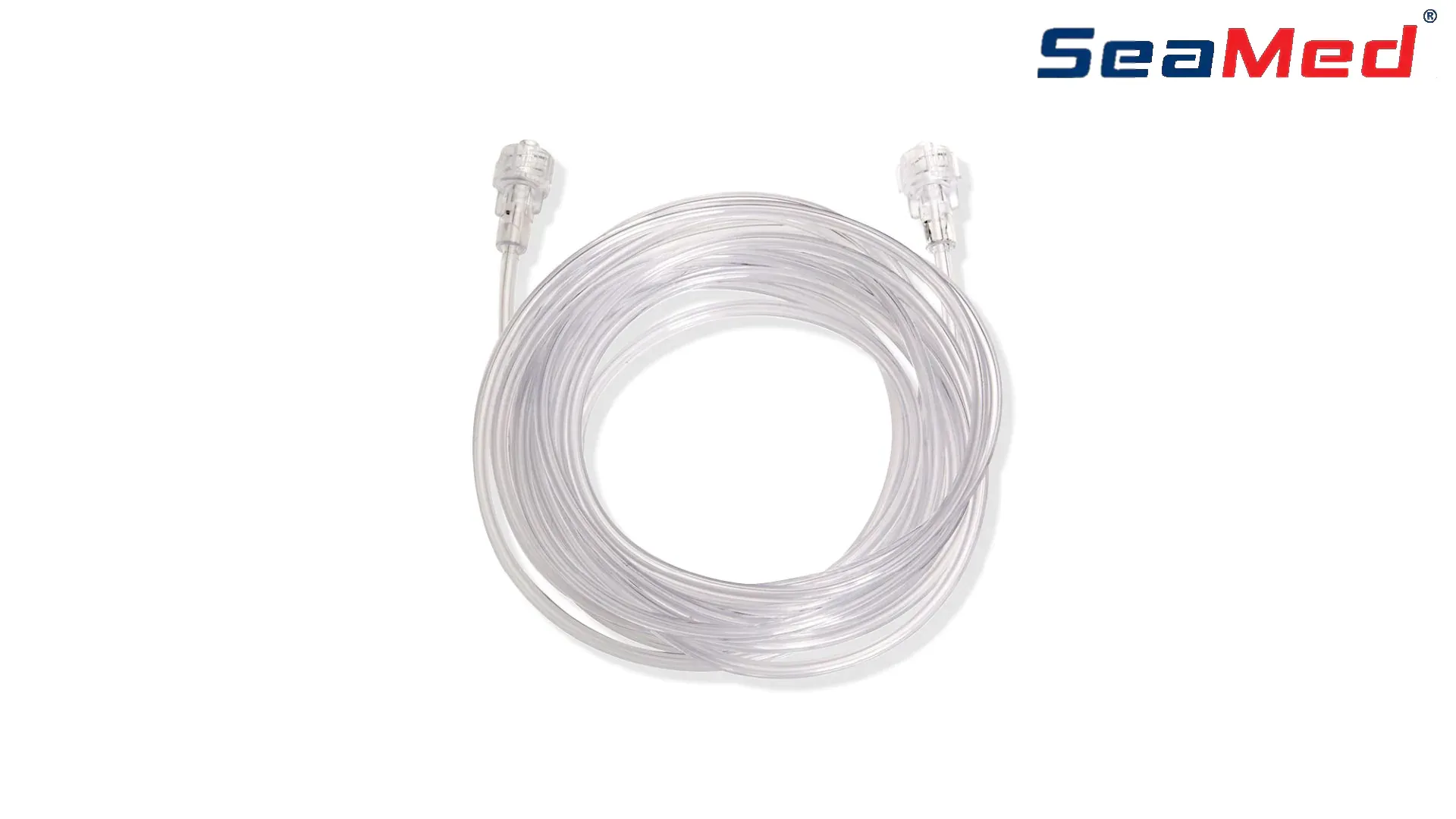
Capnography Device Nasal Cannula

  • Luer Lock Tip
  • Silicone Free
  • Disposable

Detailed Description

Capnography devices are one of the important diagnostic tools widely used in the medical field. These devices help evaluate respiratory functions by measuring respiratory carbon dioxide (CO2) levels. Capnography analyzes respiratory gases and presents them as a graph, providing doctors with important information about the patient's respiratory status. Capnography devices are widely used during the anesthesia process, emergency rooms, intensive care units and monitoring patients with respiratory failure. It is also used in procedures such as evaluation of respiratory functions, intubation and monitoring of airway patency. As a working principle, capnography devices measure the amount of CO2 in the breathing air. The gas released through breathing is detected and analyzed with the help of a sensor. In this way, CO2 levels are tracked during each breath and a graph is created. This chart allows doctors to evaluate breathing efficiency, ventilation rate, and airway patency. End-tidal CO2 (ETCO2): The highest CO2 level measured at the end of the respiratory cycle. It is important to evaluate the effectiveness of breathing. PetCO2 (Partial pressure of end-tidal CO2): Partial pressure of the ETCO2 level measured at the end of the respiratory cycle. It is used to evaluate respiratory functions.